


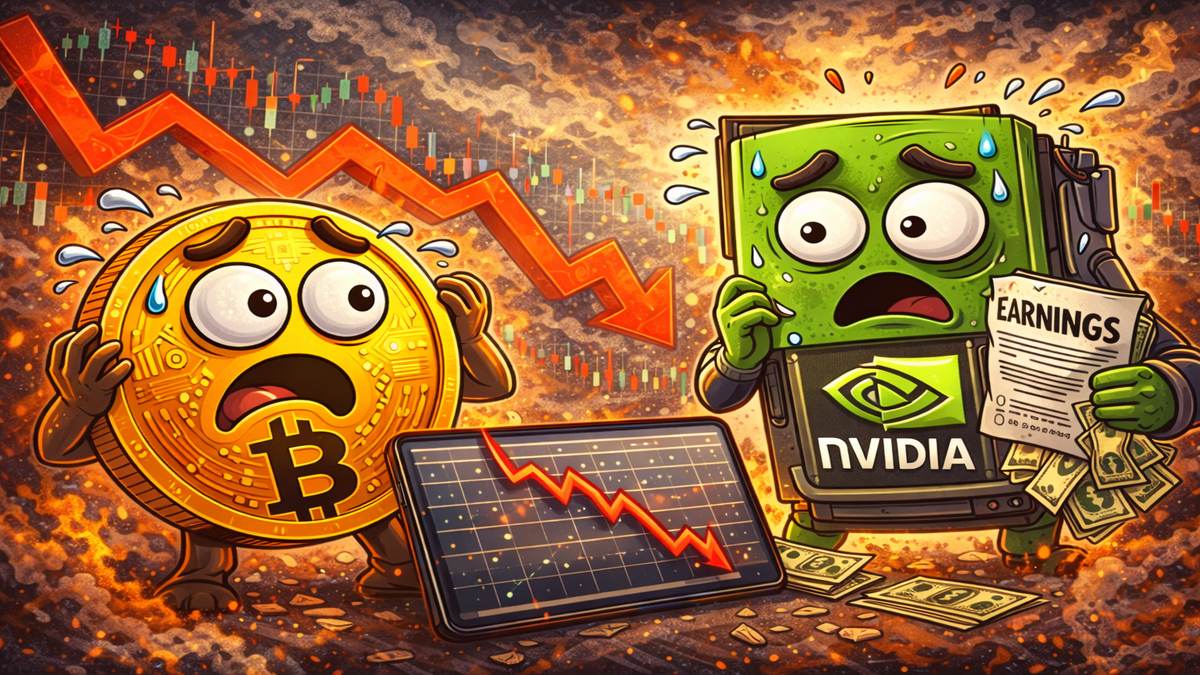
Bitcoin’s recent plunge to $65,000 marks a notable retreat from Wednesday’s surge toward $70,000. This decline unfolded as shaky economic indicators and disappointing corporate earnings put pressure on risk assets. The latest producer-price data raised alarms, and Nvidia’s post-earnings drop compounded fears, leading investors to sell off significant portions of their crypto holdings.
The overall atmosphere in the crypto market reflected this cautious sentiment. Other digital currencies took similar dives, with Solana, XRP, and Dogecoin all experiencing a 6% slide. This broader downturn not only highlights Bitcoin’s volatility but also underscores how interconnected various assets are in times of economic uncertainty.
What’s Breaking the Market?
As Bitcoin struggles to maintain its footing, questions surrounding its market resilience intensify. The recent movement is a reminder of the cryptomarket’s susceptibility to external economic factors. Investors, keenly aware of rising inflation and fluctuating interest rates, are adjusting their portfolios accordingly.
The sell-off raises concerns. Just days ago, Bitcoin seemed poised for further growth. Its rally toward $70,000 had many optimistic about potential new highs. Instead, this retreat reveals the inherent volatility and risk that accompanies cryptos. The reasons for this fluctuation stem from a mix of economic data and corporate performance, highlighting a fragile market environment.
The retail investors who once drove Bitcoin’s rise might now be reconsidering their positions. Leading digital currencies often move in tandem. A downturn in Bitcoin usually triggers similar reactions in altcoins. Bitcoin’s role as a bellwether for the entire crypto space seems more pronounced than ever, as investors navigate an increasingly complex landscape.
What are Investors Thinking?
Market sentiment remains cautious as analysts evaluate the impact of rising production costs and a wavering corporate sector. Potential fiscal tightening measures loom over the horizon, which may further dampen investor enthusiasm. It’s crucial to watch how Bitcoin and other cryptocurrencies respond to upcoming economic developments.
The fluctuations over the weekend serve as a timely reminder of the market’s unpredictable nature. With global economic factors at play, Bitcoin’s path forward is laden with uncertainty. Many investors are left wondering how these market corrections will be and whether the cryptocurrency can bounce back from this setback.
This landscape isn’t just about numbers; it reflects broader attitudes toward technology, investment, and the future of finance. Many see Bitcoin not just as a digital asset, but as a revolutionary force with the potential to reshape economies. However, to realize this potential, the cryptocurrency market must first establish its stability.
What Does Global Trends Says?
The dip in Bitcoin and its peers highlights a crucial moment for both seasoned and novice investors. The fluctuations could provide a learning opportunity about the cyclical nature of emerging markets. For those viewing cryptocurrencies as long-term investments, this downturn may represent a buying opportunity. Conversely, those seeking immediate returns might find themselves on shaky ground.
Retreats like this often provoke shifts in strategy, pushing investors to reassess their approaches. The current environment may promote caution, but it also encourages exploration. As the dust settles, discerning where the market is headed could become vital for making informed investment decisions.
Looking ahead, the question may not be how much further prices can drop but rather how quickly Bitcoin can recover. The relationship between economic indicators and market performance may have lasting implications for digital currencies. Bitcoin’s recent journey is a testament to the complexities and challenges it faces, both in the immediate and long term.
Disclaimer:
This article is for informational and analytical purposes only and does not constitute policy, legal, or investment advice. Readers should conduct their own research and consult appropriate experts before making decisions.


