


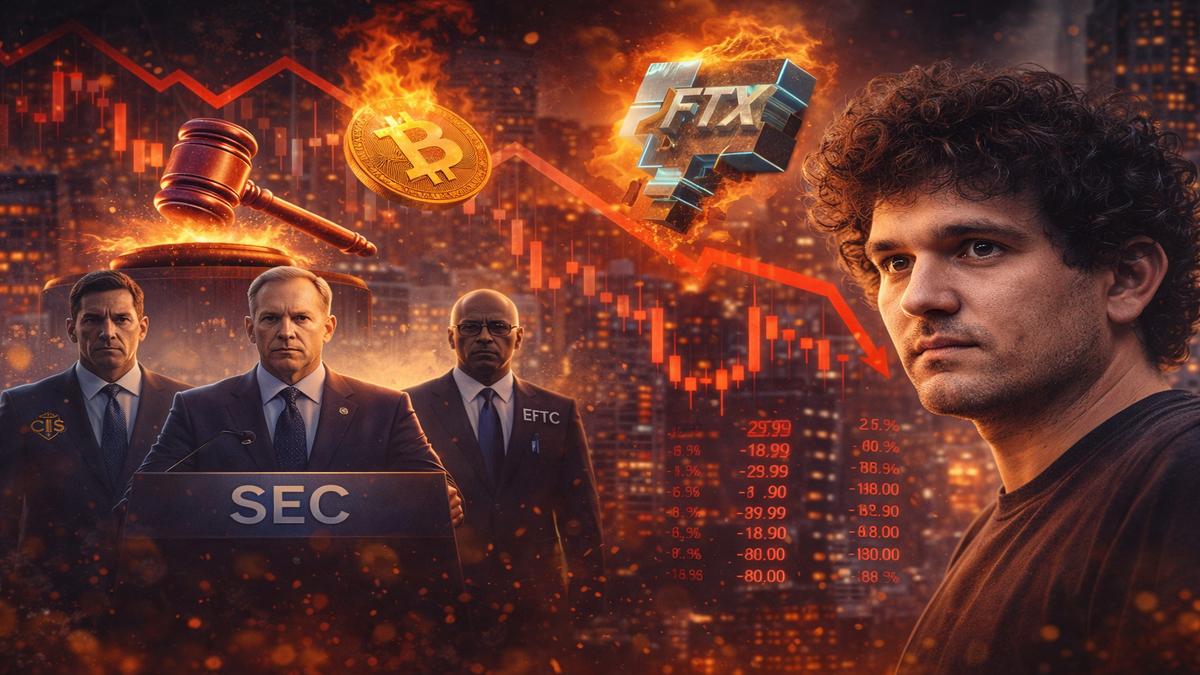
The landscape of cryptocurrency regulation continues to shift, as recent developments highlight both challenges and opportunities for industry players. Jailed FTX founder Sam Bankman-Fried’s apparent strategy to sway political favor, Nasdaq’s latest SEC victory, and the ongoing issues faced by prediction markets like Kalshi indicate the various ways regulators are interacting with digital assets and the companies behind them.
Bankman-Fried’s actions have stirred discussions about the potential for presidential pardons. His support for certain political stances adds a layer of complexity to the regulatory environment surrounding FTX and its fallout. His attempts to align with Donald Trump’s policies suggest a calculated effort to garner favor while navigating his legal challenges. With ongoing investigations and trials, Bankman-Fried’s positioning could have implications for the broader regulatory landscape as political figures take note.
Regulatory friction isn’t confined to individual cases. Kalshi is currently facing a temporary ban on its contracts from a Nevada court. This 14-day injunction reflects ongoing tensions between state regulators and prediction market firms. Kalshi’s struggles showcase the hurdles that decentralized and innovative financial products encounter when traditional regulatory frameworks clash with modern technology. As stakeholders watch the outcome, this case may set a precedent affecting future predictive markets.
Wall Street’s Blockchain Shift
Meanwhile, Nasdaq’s recent SEC approval marks a notable moment for the crypto sector. The decision allows the exchange to integrate blockchain technology into its operations, opening the door for equity transactions to benefit from the efficiencies and security blockchain offers. However, industry insiders point out that this development may preserve existing intermediaries and market structures rather than disrupt them.
The approval signals Wall Street’s increasing interest in blockchain tech. Established financial institutions are now exploring ways to blend traditional finance with modern digital solutions. Still, it raises questions about whether enhancements in efficiency and transparency can coexist with an established regulatory environment that has its own hurdles.
Arizona Attorney General Kris Mayes filed 20 criminal counts against KalshiEx LLC and Kalshi Trading LLC, alleging the platform operated an unlicensed gambling business in Arizona and offered election wagering, including accepting bets from Arizona residents on sports and… pic.twitter.com/EppXf86OSo
— Wu Blockchain (@WuBlockchain) March 17, 2026
As Nasdaq moves forward, the outcome could influence other exchanges and financial entities looking to adopt similar technologies. Analysts are watching closely to see if this will prompt further regulatory clarity around blockchain applications in traditional finance. Commitments from established players may drive more regulatory engagement, pushing the conversation forward in a structured manner.
Future of Crypto Security
In another significant shift, crypto wallet maker Ledger has appointed a former Circle executive as its CFO, marking an important step in its growth strategy. This move demonstrates Ledger’s intent to enhance its capabilities as it prepares for a potential IPO. Strengthening its leadership with seasoned professionals from established fintech backgrounds can help bolster trust among investors and customers alike.
Ledger’s actions reflect a broader ambition within the crypto sector, where security continues to be a critical concern. As the market matures, companies are eager to align themselves with regulatory expectations while expanding their influence. Ledger’s proactive approach to securing leadership talent may help mitigate some regulatory risks it faces, especially as public listings require stricter compliance.
Looking Ahead
The myriad developments surrounding crypto regulation indicate an evolving landscape filled with opportunities and challenges. As Bankman-Fried’s narrative unfolds, Kalshi navigates its legal tribulations, and Nasdaq leverages blockchain’s potential, the focus remains on regulatory frameworks that continue to adapt. The movements made now by established firms can set the tone for future compliance norms, and emerging entities must remain agile.
The regulatory environment will likely stay contentious as officials grapple with how to manage innovative financial products while ensuring consumer protection and market stability. Companies navigating this space will need to stay informed and prepared to adapt quickly as regulations take shape.
In summary, the connection between personal advocacy and regulatory outcomes is becoming increasingly apparent, aligning both ambition and necessity in crypto. The success or failure of companies within this dynamic landscape will depend not just on technological advancements but also on how effectively they engage with an ever-watchful regulatory body. The coming months promise to be formative as the industry watches each transaction, policy, and shift.


