


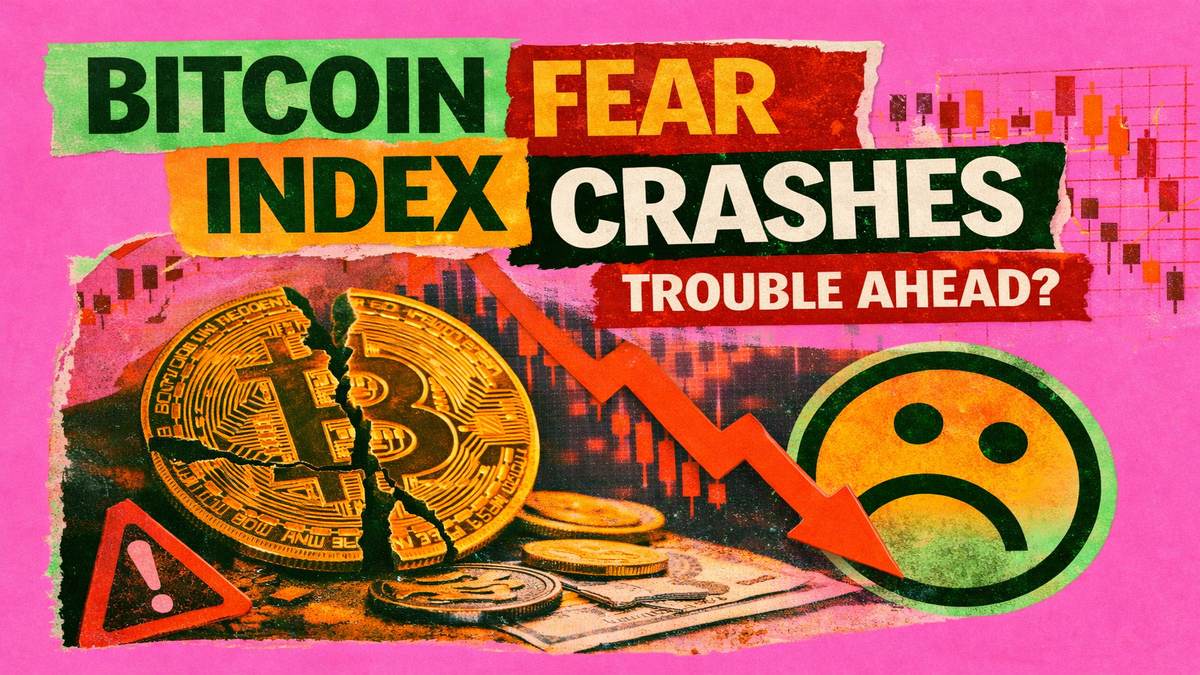
Bitcoin is facing increasing headwinds as it slipped below $68,000, a decline exacerbated by the dollar’s steepest weekly gain in a year. The fall comes on the heels of declining investor sentiment, as evidenced by a Crypto Fear and Greed Index that has plummeted to 12, indicating widespread anxiety among market participants.
Many analysts are noting a concerning trend where large holders, often referred to as “whales,” are selling their Bitcoin during a period of increased retail buying. This behavior typically signals further downside risk.
Pressure from traditional markets and the shifting crypto landscape has compounded Bitcoin’s struggles. Wall Street experts believe that we could be entering a new cycle characterized by artificial intelligence investments, potentially pushing Bitcoin to the sidelines. Investment firms like BlackRock and UBS have recently discussed the implications of this rotation, emphasizing the need for Bitcoin to establish its relevance amid changing market dynamics. The sentiment suggests that if Bitcoin is to maintain its position, it needs to find utility beyond its current paradigms.
#Bitcoin Fear and Greed Index is 8. Extreme Fear Current price: $68,659.
Extreme fear means panic selling, dried-up liquidity, and zero hype tolerance. Most projects die here. The ones that last follow this proven rule:
Consistent authentic conversations; this beats paid volume… pic.twitter.com/7qXL1e30OP
— BOPA (Expansion Arc) (@bopamain) March 9, 2026
Retail investors have been stepping in to support Bitcoin even as whales liquidate their holdings. This divergence between large and small investors often precedes an extended downturn. Data shows that around 43% of Bitcoin’s total supply is currently at a loss, a grim statistic that underscores the struggles in the market. This selling pressure raises questions about how much farther the price can drop and whether any buying from retail will be enough to offset these larger sales.
In a separate but related development, Bitcoin’s relationship with stablecoins is evolving. Jack Dorsey, a vocal proponent of Bitcoin, acknowledged that his firm is now reluctantly adapting to the growing demand for stablecoins. This shift aligns with the broader trends seen in competitors like Stripe and PayPal, both of which are integrating stablecoin functionalities into their platforms. As stablecoins gain traction, Bitcoin purists may find themselves at a crossroads, needing to navigate the complexities presented by these alternatives.
The ongoing uncertainty around the potential U.S. Bitcoin reserve adds another layer of complexity. An executive order initiated by former President Trump aimed at establishing a Strategic Bitcoin Reserve has seen little movement over the past year, with congressional action remaining stalled. Those who initially applauded the order are now left wondering if any progress toward operationalizing this reserve will materialize in 2026. The diminished confidence in this initiative could further impact Bitcoin’s standing within institutional circles.
While many eyes are on Bitcoin, the broader market sentiment remains weak. Most leading cryptocurrencies, aside from Bitcoin, also fell sharply; Solana lost 4% and Ether dropped by 4.4%. Such declines indicate a broader risk-off sentiment and suggest that investors may be wary of maintaining large positions in the face of an uncertain macroeconomic environment.
Analysts have split opinions regarding the next steps for Bitcoin. Some believe that a recovery may hinge on how the market responds to technological innovations, particularly in AI. The consensus among significant investment minds suggests a cautious approach to Bitcoin in this anticipated new cycle. Amidst this backdrop, Bitcoin’s price trajectory appears increasingly susceptible to pressure from macroeconomic factors and trader sentiment, emphasizing the need for clear strategic positioning moving forward.
While retail buying may currently offer some hope, the alignment of larger players indicates underlying bearish signals. Historical patterns show that when whales are eager to offload holdings during retail buying surges, the market often faces further drops rather than recovery. Bitcoin’s fate hangs in balance, with market indicators drawing attention to a potentially prolonged phase of weakness.
Looking ahead, Bitcoin needs more than just retail support; it must engage with broader market trends effectively. Its future could depend significantly on how quickly it can carve out a distinct role in a landscape increasingly dominated by stablecoins and other blockchain innovations. As the cold reality of market volatility sets in, stakeholders will be closely watching Bitcoin’s next moves and the potential implications of falling prices on its long-term viability. The clock is ticking, and the upcoming weeks may prove crucial for the digital asset and its place in both the crypto and macroeconomic arenas.


