


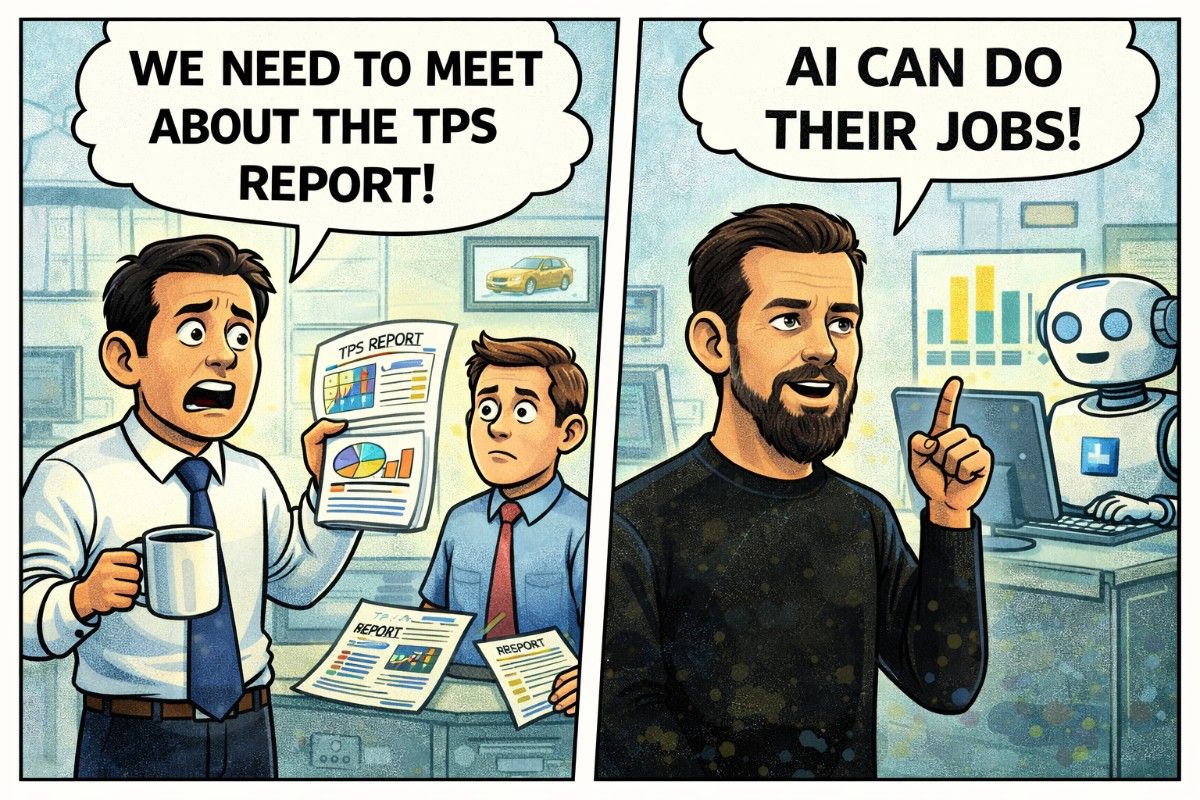
Jack Dorsey recently shared his vision of leveraging artificial intelligence to replace middle managers within tech companies. This concept emerges shortly after Block Inc., the fintech company he co-founded, announced substantial layoffs, affecting nearly half its workforce. Dorsey’s perspective points to a shift in how businesses could operate, minimizing layers of bureaucracy through advanced AI applications.
The idea isn’t just a casual musing. Dorsey envisions a structure where AI takes over decision-making roles that were traditionally filled by human managers. In his view, technology can streamline operations, enhance efficiency, and ultimately lower costs. This notion reflects an overarching trend within the tech sector, where companies are re-evaluating roles and responsibilities in the face of economic pressures and the quest for operational agility.
AI’s Growing Role in Business
Another noteworthy development in the fintech sector comes from Cross River Bank. The company has successfully raised $50 million from existing investors, earmarked for expanding its focus on both cryptocurrency services and artificial intelligence applications. This cash influx signals strong confidence in the interplay between these two rapidly changing industries. Cross River positions itself as a critical player, tapping into AI’s potential to enhance customer service and streamline its own operations.
AI’s applications in finance are expanding, enabling banks to analyze customer data more effectively and streamline loan approvals. Cross River’s decision to further invest in AI illustrates a significant pivot in how banks can leverage technology, especially in a landscape where digital offerings must stand out. The fresh capital will likely serve to solidify Cross River’s competitive edge in a crowded fintech space.
Impact on Workforce Dynamics
Dorsey’s radical approach reflects an ongoing conversation in corporate circles: the future of work in a world increasingly defined by automation. The prospect of AI replacing middle management raises pressing questions about workforce dynamics and job security. While Dorsey sees a streamlined structure as beneficial, critics might view these layoffs and technology replacements as harmful to employee morale and stability.
The concept of using AI to fill roles typically occupied by humans, particularly in managerial positions, suggests a potential shift in corporate culture. Workers could face increased pressure to adapt to technological changes, while companies might grapple with the challenge of maintaining a human touch in decision-making processes.
Cross River’s initiatives, too, could impact how banks engage with clients. While they focus on using AI for efficiency, there’s a discussion to be had regarding customer relationships. Will customers prefer interacting with algorithms over humans, or will they seek the reassurance that comes with human oversight? The answers could shape the way fintech companies approach service delivery.
Investor Sentiment and Market Implications
The financial community is keeping a close watch on how these tech adjustments play out. Dorsey’s and Cross River’s strategies resonate in an investment climate that prioritizes innovation and adaptability. By linking AI with core business functions, both entities signal their commitment to evolve in an industry that thrives on technological advancement.
Investors may find Dorsey’s articulation of AI applications appealing, potentially swaying their opinions on companies that prioritize advanced technology. Cross River’s recent funding round indicates confidence among investors in the fintech space, particularly regarding companies that aim to merge traditional banking with cutting-edge technology like AI and blockchain.
With Dorsey’s vision for reducing managerial roles through AI and Cross River’s financial commitment to enhancing their operational capabilities, both are poised to redefine their respective sectors. However, the intersection of human labor and artificial intelligence remains a critical talking point, representing both opportunity and challenges for businesses and employees alike.
Analysts expect to see a ripple effect as other companies evaluate similar technological integrations. The outcomes of these experiments could redefine how organizations manage operations and interact with customers over the next few years. The balance between efficiency and the preservation of human elements in the workforce will determine their long-term success.
As these narratives develops in the tech and finance sectors, both Dorsey and Cross River serve as test cases for broader trends unfolding across industries. Each move signals a cautious step toward an AI-dominated future, but the implications for how we work and the nature of employment remain at the forefront of economic discussions.


