


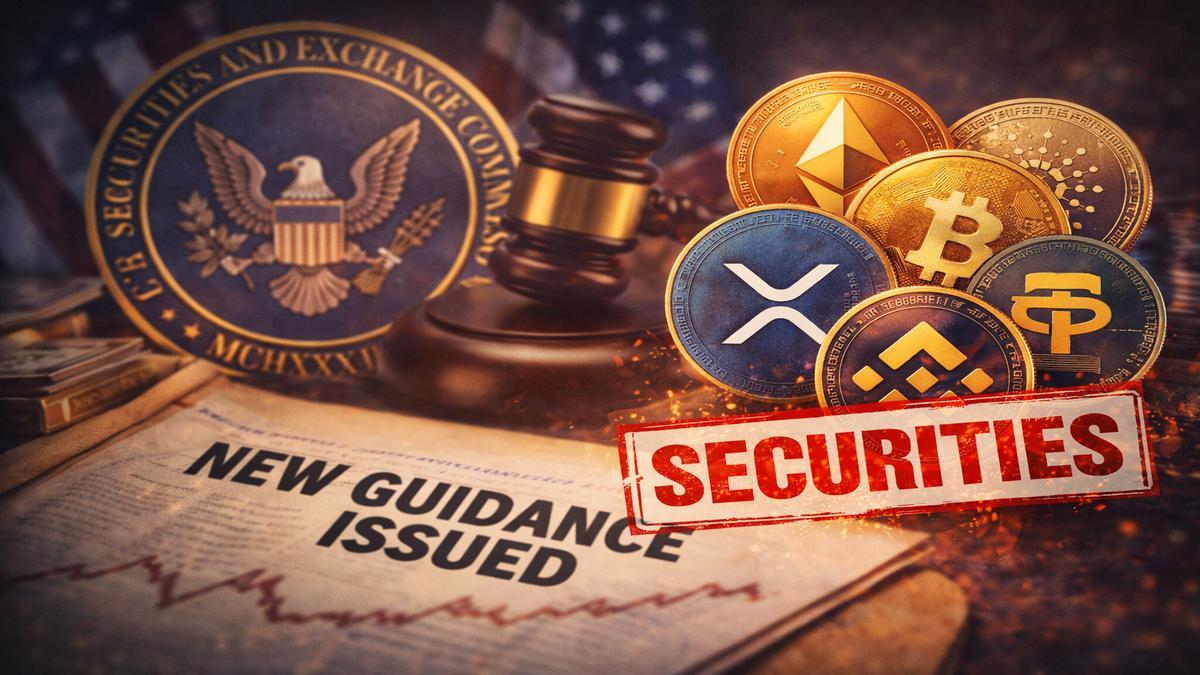
The U.S. Securities and Exchange Commission (SEC) recently provided its first set of definitions to clarify how it classifies crypto assets as securities. The SEC plans to use this informal guidance alongside insights from the Commodity Futures Trading Commission (CFTC). This move represents a significant step in shaping the regulatory landscape for cryptocurrencies, an area that has seen varied interpretations and approaches in recent years.
A notable aspect of this clarification revolves around the SEC’s interpretation of which digital assets will be classified as securities under federal law. The interpretative notice addresses token taxonomy, outlining which assets might meet the criteria for being considered securities. This guidance comes at a time when the current regulatory environment is under scrutiny and calls for consistency are rising from various stakeholders.
Is Your Crypto Now a Security?
SEC Chair Gary Gensler’s approach has often been criticized for being overly aggressive. However, some industry participants argue the current administration’s policies might be more beneficial for the crypto sector than previous ones. Tally CEO expressed a belief that Gensler and President Biden provided an environment that better supported crypto innovation.
Tally’s recent shutdown underscores the struggles decentralized autonomous organizations (DAOs) face amidst evolving regulations. Companies behind prominent protocols like Uniswap and Arbitrum now see a need to possibly sacrifice some level of decentralization to align with regulatory demands.
The intersection of crypto regulations and DAOs represents a complex balancing act. While decentralization has been a hallmark of the crypto ethos, the push for institutional adoption is forcing many DAOs to reconsider their governance structure. Institutions often prefer clearer frameworks, which can lead to demands that may conflict with the decentralized model. As competition increases, organizations may find it essential to adapt their practices to secure those crucial institutional partnerships.
🚨JUST IN: The @SECGov and @CFTC have issued joint, Commission-level interpretive guidance outlining how federal securities laws apply to certain crypto assets and transactions.
This follows a submission to OIRA earlier this month signaling the agencies’ intent, and was approved… pic.twitter.com/zMxHSlZUNB
— Eleanor Terrett (@EleanorTerrett) March 17, 2026
Meanwhile, the CFTC recently issued a “no-action” letter for crypto wallet provider Phantom. This letter allows Phantom to engage in specified activities without needing to register as a broker. Such decisions reflect a more flexible regulatory stance, one that differentiates between various crypto operations. The CFTC’s approach under Chair Michael Selig could indicate a willingness to foster innovation while ensuring consumer protection.
Despite these regulatory advancements, uncertainties still loom large in the sector. Analysts expect that how the SEC defines crypto securities could have a bearing on future token offerings and the overall market structure. The classifications could influence investment strategies, capital allocation, and the broader perception of crypto as an asset class.
Investors and developers must closely monitor these developments. The SEC’s interpretive guidance could change the landscape for Initial Coin Offerings (ICOs) and other fundraising mechanisms that rely heavily on the nuances of regulatory definitions. Clarity may help legitimize certain projects while potentially sidelining others that do not comply with new definitions.
Crypto’s Legal Status Just Got Clearer
As the industry evolves, community responses will vary widely. Some believe that clearer guidelines could pave the way for more institutional inflow, while others caution that excessive regulation could stifle innovation. DAOs, in particular, may face challenges as they try to reconcile their decentralized ethos with the demands for transparency and compliance from institutional partners.
Compliance for crypto entities looks increasingly complicated. As the SEC and CFTC refine their stances, the differences in how they view various crypto activities could lead to further fragmentation in regulatory guidance. Firms operating within these spaces may need to invest in legal and compliance frameworks to navigate this intricate environment.
In an environment where regulations often appear to be reactive rather than proactive, market participants are left with a sense of uncertainty. Moves from the SEC and CFTC suggest an attempt at greater clarity, but the patchwork of existing regulations complicates the broader discourse. Industry experts stress the need for ongoing dialogue with regulators to ensure that the regulatory framework evolves alongside the technology.
This latest chapter in crypto regulation emphasizes the critical need for stakeholders to stay informed. It highlights a landscape in flux, where each piece of regulatory guidance has the potential to reshape the future of cryptocurrencies. The SEC and CFTC actions point towards a more structured regulatory approach, but the journey remains complex and laden with questions that have yet to be fully answered.


