


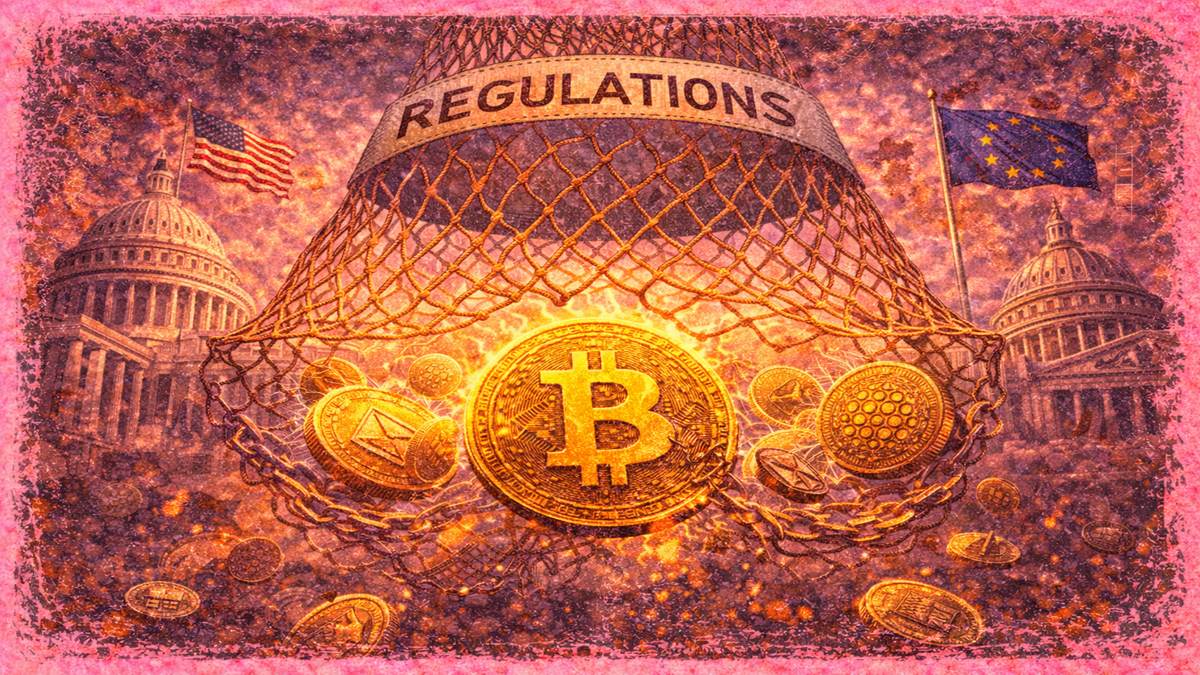
Regulatory scrutiny continues to tighten around the cryptocurrency market, provoking reactions from investors and industry leaders alike. Recent initiatives from multiple countries aim to establish clearer standards for digital assets, potentially reshaping the landscape in which cryptos operate. Stakeholders are keenly aware that these regulatory developments can significantly affect market dynamics.
The European Union has made strides in regulating crypto transactions, focusing on enhancing transparency. New legislation seeks to standardize rules across member states, ensuring greater consistency in oversight. This move is largely viewed as a double-edged sword: while it promises increased legitimacy for the sector, it also raises concerns about compliance costs for smaller players in the market.
Regulatory Frameworks Evolving
In the United States, agencies are also engaging in discussions around cryptocurrency regulations. The Securities and Exchange Commission (SEC) is taking a prominent role in defining whether certain digital assets should be classified as securities. This ongoing debate has implications not only for compliance but also for the future of decentralized finance (DeFi) platforms. Clarity in regulatory definitions may dictate how firms structure their services and products moving forward.
Countries like South Korea are implementing their own measures to address the unique challenges posed by cryptocurrencies. The Financial Services Commission announced plans to oversee domestic crypto exchange operations, including registration requirements and audits. This marks a shift from a previously hands-off approach and indicates the government’s determination to protect consumer interests, albeit potentially at the expense of innovation.
China remains an outlier with its stringent stance on all forms of cryptocurrency. Authorities continue to enforce a crackdown on mining and trading activities, citing concerns over financial stability and capital flight. The impact of these policies has been felt beyond national borders, as investors and miners look for more favorable regulatory environments elsewhere.
Global Coordination Needed
The global nature of the crypto market complicates the regulatory landscape. Disparities in regulations across countries create challenges for businesses operating internationally. For instance, a project compliant in one jurisdiction may find itself at odds with regulations in another. Industry leaders advocate for coordinated international standards to minimize confusion and encourage growth.
Financial Action Task Force (FATF) guidelines aim to address this issue by promoting best practices for combating money laundering and terrorist financing within the crypto space. However, critics argue that compliance with these standards can be burdensome, particularly for startups and smaller firms that may lack the resources to navigate complex regulations effectively.
Investor Sentiment Moving
Investor sentiment is shifting as regulations tighten. The boom in cryptocurrency trading has brought newfound interest but also generated skepticism about sustainability in a regulated environment. While institutional investors are beginning to see value in cryptos, they are cautious, mindful of the evolving regulatory landscape. As firms pivot to align with regulatory expectations, their approaches to risk management and compliance are likely to reflect these uncertainties.
Market participants are divided. Some view increased regulation as a necessary step towards maturity in the crypto space. Others fear it could stifle innovation and marginalize smaller players who may not have the resources to adapt. This discourse highlights the ongoing tension between fostering a robust, innovative market and ensuring adequate protection for consumers.
What to expect?
As regulatory frameworks continue to develop, the implications for crypto adoption are profound. Increased legitimacy could attract more institutional investment, while overly restrictive measures might deter innovation. Analysts expect these dynamics to play out over the coming months as more countries unveil their regulatory positions.
The potential for a unified approach to cryptocurrency regulation could alleviate some of the burdens facing the industry. A clear regulatory path may foster not just a safer environment for users but also a more structured market where innovation can thrive alongside compliance.
Industry leaders remain vigilant, recognizing that the regulatory landscape is not static. They are preparing for a future where navigating regulations might become as crucial as the technology itself. Investors and entrepreneurs alike are bracing for changes that could redefine their strategies in a rapidly evolving environment.
The reaction to these sweeping changes will undoubtedly shape how cryptos are perceived and utilized. Whether the new regulations will empower the market or hinder its growth remains to be seen. What is clear is that as the regulatory framework solidifies, a new chapter in the cryptocurrency narrative will unfold.


