


Nvidia CEO Jensen Huang stated that the company is likely done investing in OpenAI and Anthropic, citing potential initial public offerings (IPOs) as a reason for pulling back. This news comes as both AI labs find themselves embroiled in controversy, raising questions about future funding and strategic partnerships. Nvidia has been a major player in the AI chip market, supplying the technology that powers much of the industry’s growth.
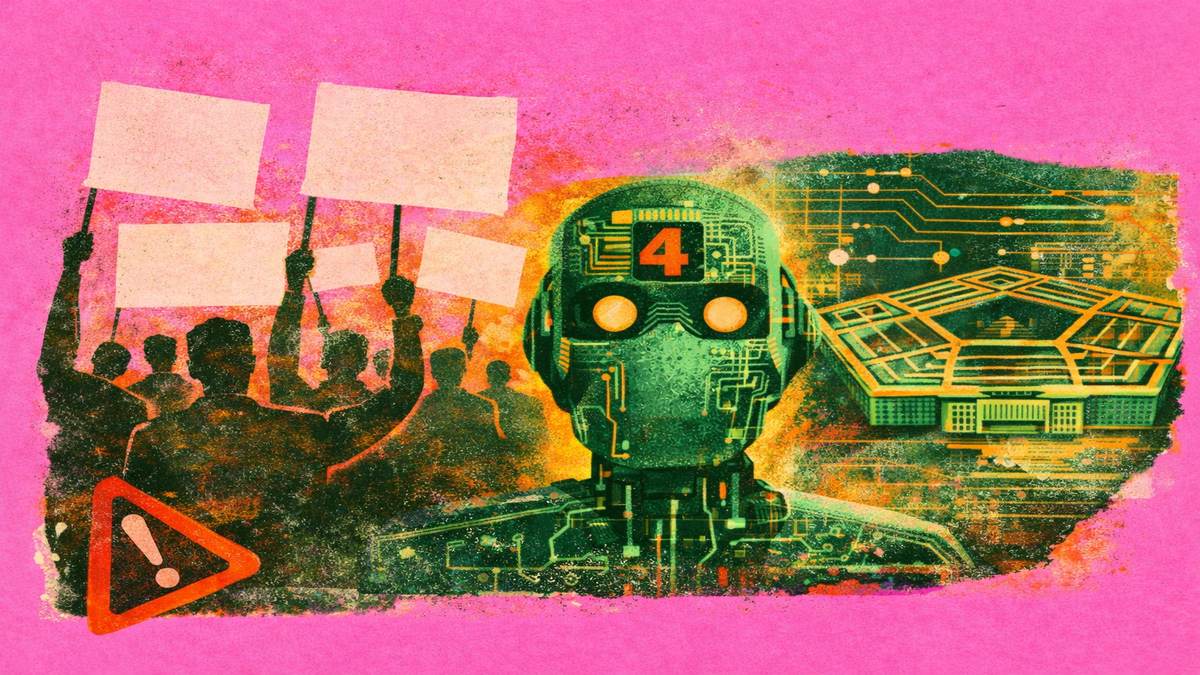
Amidst this backdrop, OpenAI recently launched its latest model, GPT-5, just four days after releasing an earlier version. This rapid rollout seeks to address a user exodus linked to OpenAI’s controversial contract with the Pentagon. Many users reportedly expressed concern over the implications of this partnership, prompting them to look for alternatives. Dubbed “QuitGPT,” this movement raises questions about user trust and the sustainability of OpenAI’s current operations.
OpenAI Under Fire
Investment dynamics and AI model launches intersect with broader energy concerns. As AI technologies demand increased computational power, big tech companies have joined a White House initiative aimed at upgrading electricity supply and grid capabilities. Companies like Amazon, Google, Meta, Microsoft, OpenAI, Oracle, and xAI have acknowledged the escalating energy needs tied to their AI developments. This agreement comes against a backdrop of rising tensions with Iran, which could further destabilize energy costs.
Nvidia’s decision to step back from funding AI projects like OpenAI and Anthropic could reshape the landscape. Analysts expect this move might influence other investors’ strategies and prompt AI firms to seek funding elsewhere. Huang’s statements indicate that Nvidia might prioritize its resources, possibly refocusing on its core business ventures. This could impact ongoing collaborations and partnerships that relied on Nvidia’s financial backing.
OpenAI’s predicament is more complex, as the firm grapples with backlash from its users. The recent launch of GPT-5 aims to reclaim user confidence and show a commitment to continuous improvement in its AI offerings. However, the potential for a user exodus raises questions about the company’s overall viability. The trust issue feeds into a larger conversation about the ethics of AI deployments, especially regarding military contracts.
The energy situation complicates matters further. The tech giants’ pledge to the White House acknowledges that the rapid growth of AI technologies will not only put a strain on computing resources but also on energy supplies. Reports indicate that companies are racing to build the infrastructure necessary to support their AI ambitions, which may lead to increased costs passed on to consumers. The need for constant, efficient power could become a major sticking point as more companies enter the AI space.
Pentagon Deal Sparks OpenAI User Backlash
The involvement of major corporations in the White House energy pledge suggests a long-term commitment to sustainable energy solutions. Their participation underscores the backlash against reliance on fossil fuels, particularly given the uncertain geopolitical climate. This green shift dovetails with a growing recognition within the tech industry that sustainability must be integral to building future technologies, including AI.
In a nutshell, Nvidia’s reduced investment in AI companies raises uncertainties about funding and development trajectories at OpenAI and Anthropic. OpenAI’s reaction to this potential setback could shape its model release strategies and user engagement tactics moving forward. As users increasingly voice their concerns over ethical AI applications, the company faces pressure to align its practices with public sentiment.
Simultaneously, the energy requirements tied to AI progress illustrate a critical battle for resources. The coalition of powerhouses in tech signals a readiness to confront these challenges head-on, albeit against a backdrop of geopolitical instability. Without these initiatives, rising energy demands could stall technological advancements, turning progress into a liability for firms unprepared for the infrastructure demands they create.
As Nvidia, OpenAI, and other major players navigate these challenges, the intersection of funding, user trust, and energy consumption will be pivotal in shaping the AI landscape. The next few months could reveal much about how these companies strategize in response to both internal pressures and external challenges. The road ahead appears complex, with many unknowns about the balance between innovation and ethical considerations in AI development.


