


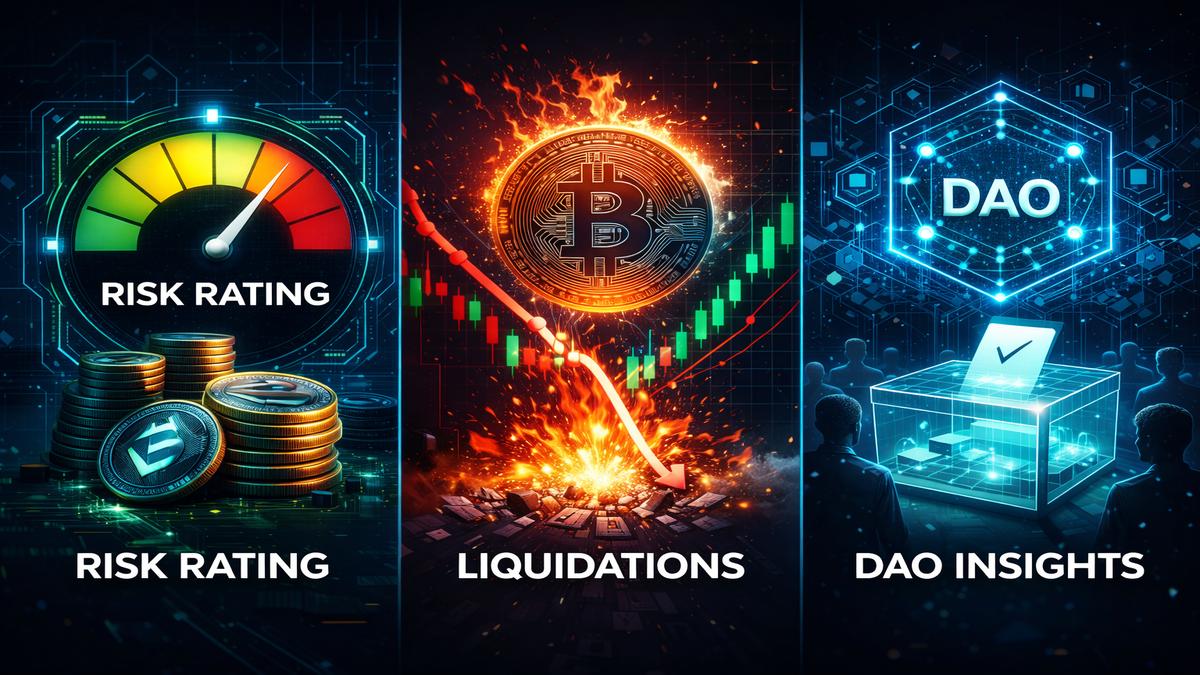
Shredpay, a new initiative from former legal executives at crypto exchange OKX, aims to enhance DeFi accessibility for U.S. retail and institutional users. This platform seeks to provide a streamlined entry into decentralized finance, backed by a comprehensive risk-rating service. Ideal for users who often face challenges in navigating the complexities of DeFi, Shredpay could play a critical role in increasing confidence in these markets.
In a sector often characterized by high volatility and steep learning curves, Shredpay’s approach to risk assessment might resonate well with less experienced participants. The platform intends to simplify the decision-making process by equipping users with the necessary tools to understand the potential risks associated with different DeFi protocols. Offering clarity in a notoriously opaque arena may help drive broader adoption, facilitating smoother transitions for both retail and institutional investors.
Liquidation Issues at Aave
Recently, DeFi lending platform Aave faced a significant challenge when an external oracle, Capo, triggered a pricing glitch that led to approximately $27 million in liquidations. Aave quickly acknowledged the problem and announced plans to cover these losses, aiming to restore user confidence. The glitch highlights vulnerabilities within oracle systems, which serve as essential data providers for DeFi protocols.
This incident underscores the precarious nature of DeFi, where reliance on technology can sometimes have serious consequences. Analysts may be watching closely to see how Aave implements safeguards against future disruptions. Users impacted by the liquidations are likely waiting to see the effectiveness of Aave’s compensation measures and whether the platform can maintain its reputation in light of this risk.
Shredpay’s risk-rating framework might serve as a response to setbacks like this. By providing users with clearer insights into the health of various DeFi projects, Shredpay could potentially mitigate some of the risks that plague platforms like Aave. However, introducing a risk-rating service is not without its challenges. Users and developers must be careful about how these ratings influence their investment strategies and behaviors.
Future of DAOs
Amid discussions of operational risks in DeFi, Aave’s founder remarked on the future of Decentralized Autonomous Organizations (DAOs). The debate stemmed from a failed proposal that would have transferred control of Aave’s brand assets and intellectual property to its DAO back in January. Some experts believe that conflicts within governance structures are stunting the evolution of DAOs. Aave’s founder suggests that for DAOs to succeed, they must adapt to the complexities of governance dialogues, which may not be immediately evident at first glance.
The governance challenges faced by Aave may reflect broader issues within the DeFi ecosystem. As new players continue to enter the space, existing protocols might need to rethink how they involve their communities in decision-making processes. Traditional governance mechanisms may not translate effectively, leading to missed opportunities for collaboration and consensus. Observers will likely monitor Aave’s next moves closely, especially regarding any future governance proposals.
With the growing interest in fine-tuning governance in DAOs like Aave, the potential for innovation remains. The balance between decentralization and effective governance will be crucial for long-term sustainability. Existing projects must weigh the benefits of community involvement against the risks of inefficiency or inaction due to conflicting interests.
What Can We expect?
In an ever-changing DeFi landscape, new initiatives like Shredpay aim to empower users through improved transparency and risk assessment while established platforms like Aave navigate the complexities of technology and governance. Each of these developments provides a glimpse into how the sector could evolve in response to ongoing challenges. Industry participants will likely remain vigilant about both the risks and innovations that characterize this space. The interplay between accessibility, risk management, and governance will shape the future of decentralized finance as it continues to expand its reach and impact.


